
OUR STORY
A Legacy
Written in Whiskey
A grandfather. A bartender. A book that opened the door.
The origin of Red Phone Booth and the era that inspired it.
OPEN THE SCRAPBOOK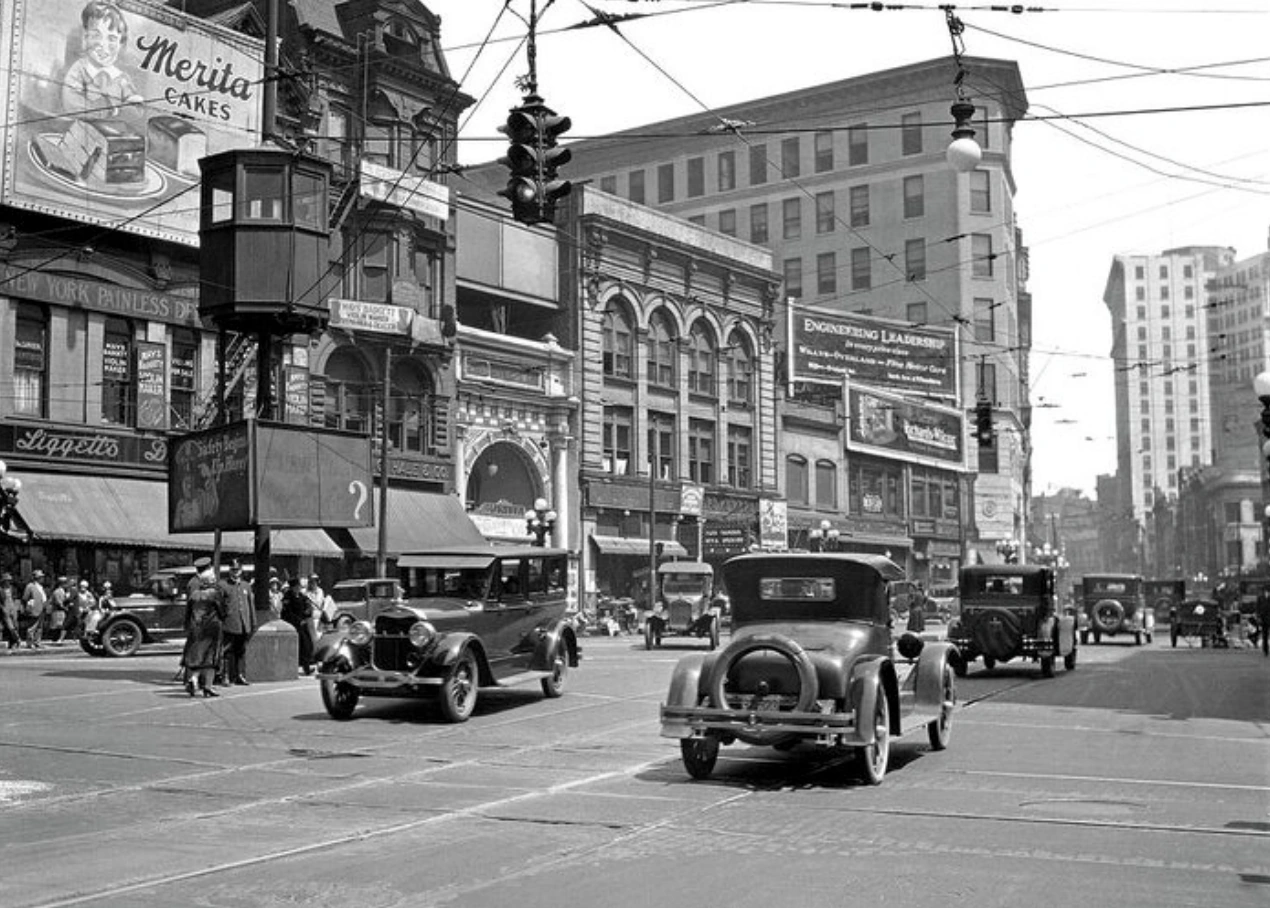
A Family Lesson, Carried Forward
A Grandfather. A Bartender. A Beginning.
Long before there was a Red Phone Booth, there was a grandfather whose love of fine spirits and gift for hospitality would help shape his grandson’s future.
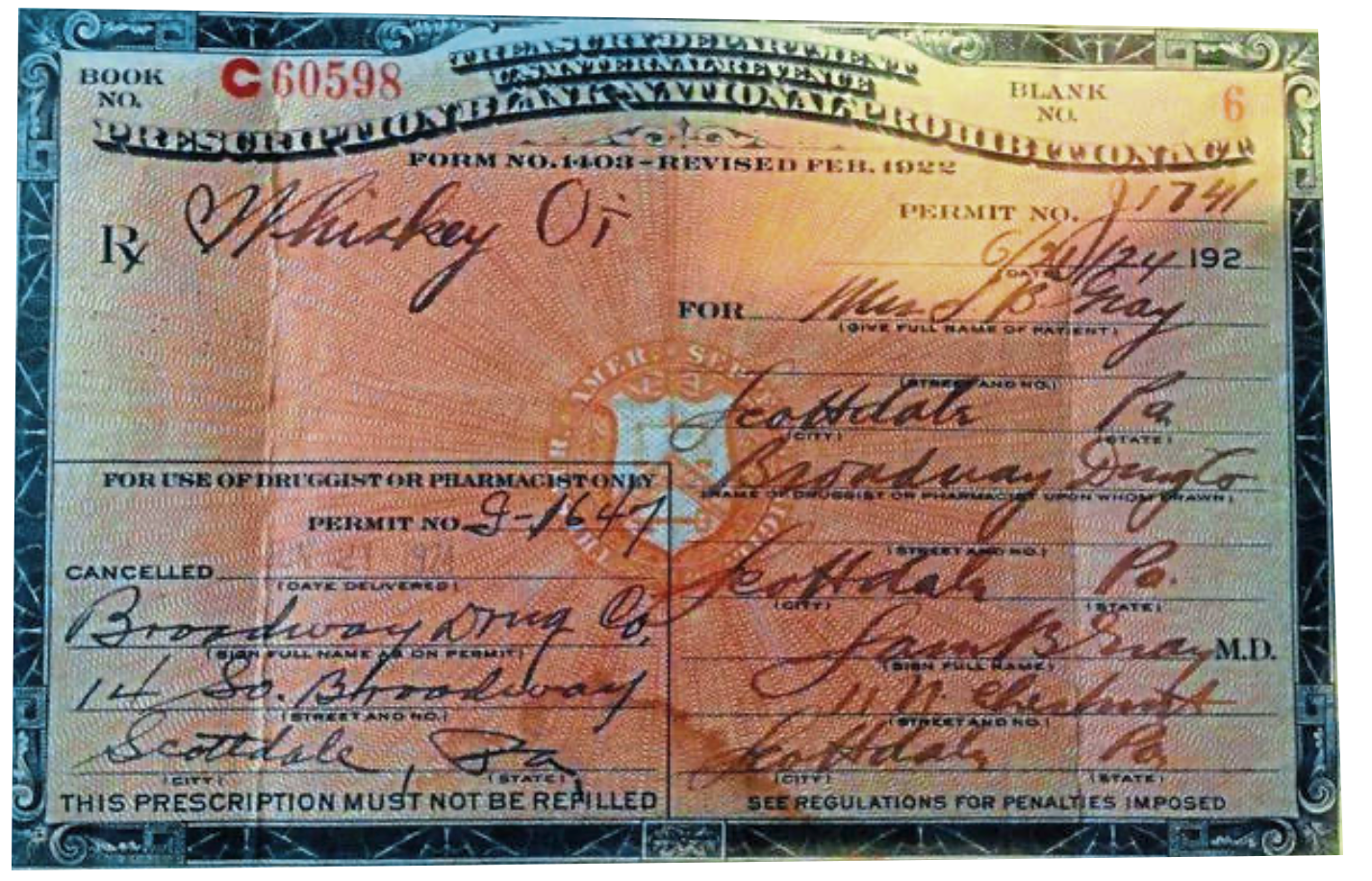
W.J. “Bill” Boortz was a pharmacist during Prohibition, when whiskey could still cross the counter on a doctor’s prescription. He understood the pleasure of a well-made drink and the lasting impression of making someone feel welcome.
By the 1990s, Stephen de Haan was learning his trade behind the bar at TGI Fridays. While visiting his grandfather in northern Minnesota, he offered to make him a Jack and water.
Bill took one sip, spat it out and led his grandson to the boathouse. There, he offered a few words that would stay with Stephen throughout his career:
“In order to know where you’re going, you have to know where you’re from.”
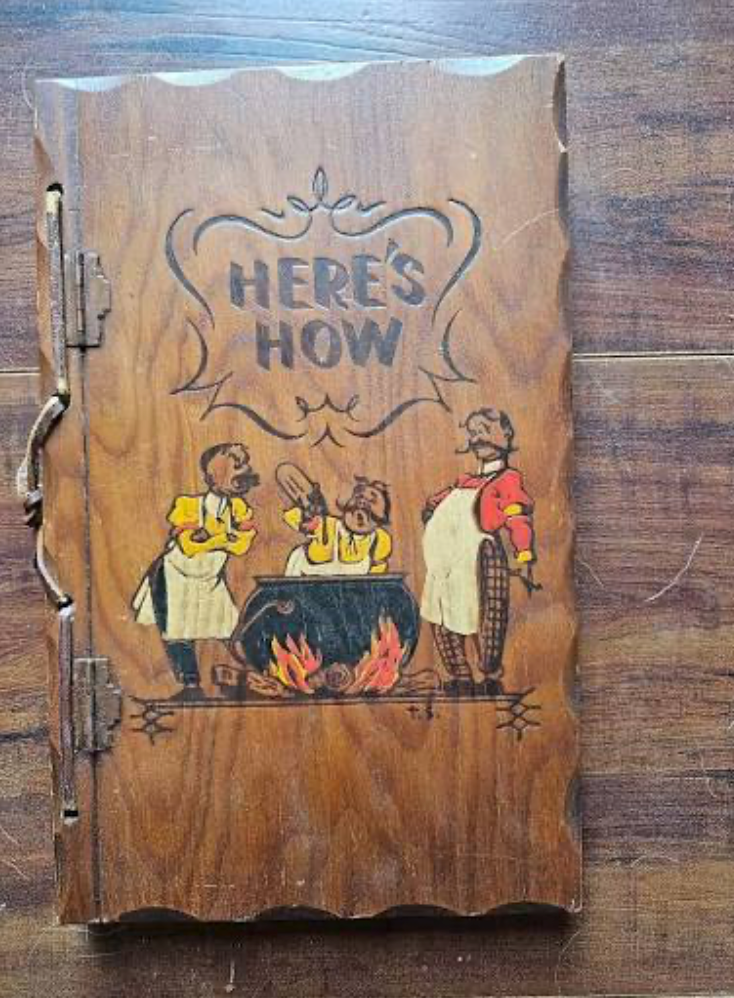
Then he handed Stephen Here’s How, a cocktail book published in 1941, containing original recipes with roots reaching back to the 1800s.
A Craft Worth Carrying Forward
For a young bartender finding his way, those pages opened a door to the generations before him. Here were cocktails made according to their original recipes, with the ingredients, techniques and care that had earned them a lasting place at the bar.
His grandfather’s words gave that history a purpose. To move the craft forward, Stephen first needed to understand where it began.
The recipes helped shape his hands. His grandfather’s hospitality helped shape his heart.
Over time, those lessons grew into a vision: a place where the traditions of cocktail making would be preserved, practiced and shared. Where guests could discover the pleasure of a classic made properly and feel the warmth of a host who was glad they had come.
A Hidden Door. A Legacy Comes Home.
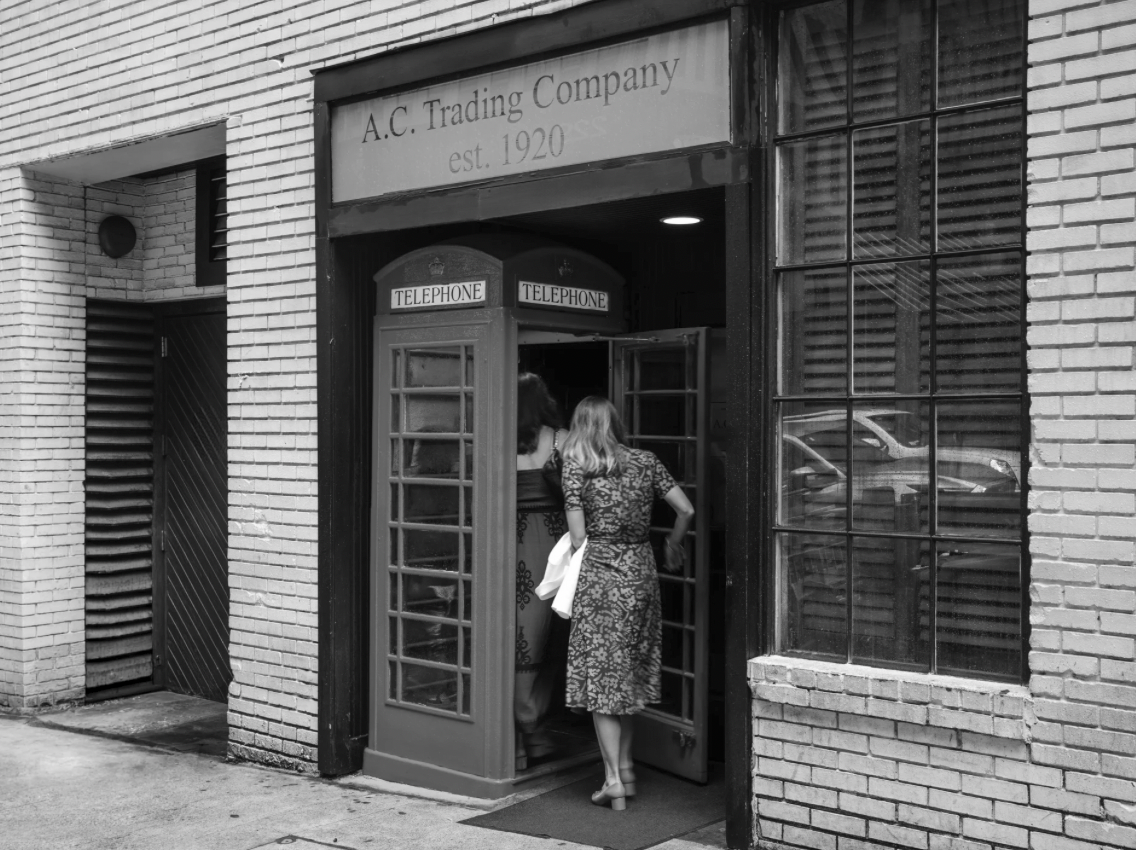
In 2016, Stephen opened the first Red Phone Booth in downtown Atlanta.
Behind a restored London phone booth, he created a home for the craft he had come to love and the hospitality he had inherited. A place to honor original recipes, protect time-honored techniques and introduce another generation to cocktails with a story worth telling.
Today, Red Phone Booth is an award-winning craft cocktail bar and lounge, serving traditional classics alongside modern classics and signature creations. Each reflects a dedication to the craft that began with a grandfather’s lesson.
That legacy lives in the care behind the bar, the warmth of the welcome and the evenings guests carry with them long after they leave.
Welcome to Red Phone Booth.
The Prohibition Era
Behind Hidden Doors
Secret entrances. Spirited evenings. A new rhythm.
Discover the history that inspired the Red Phone Booth experience.
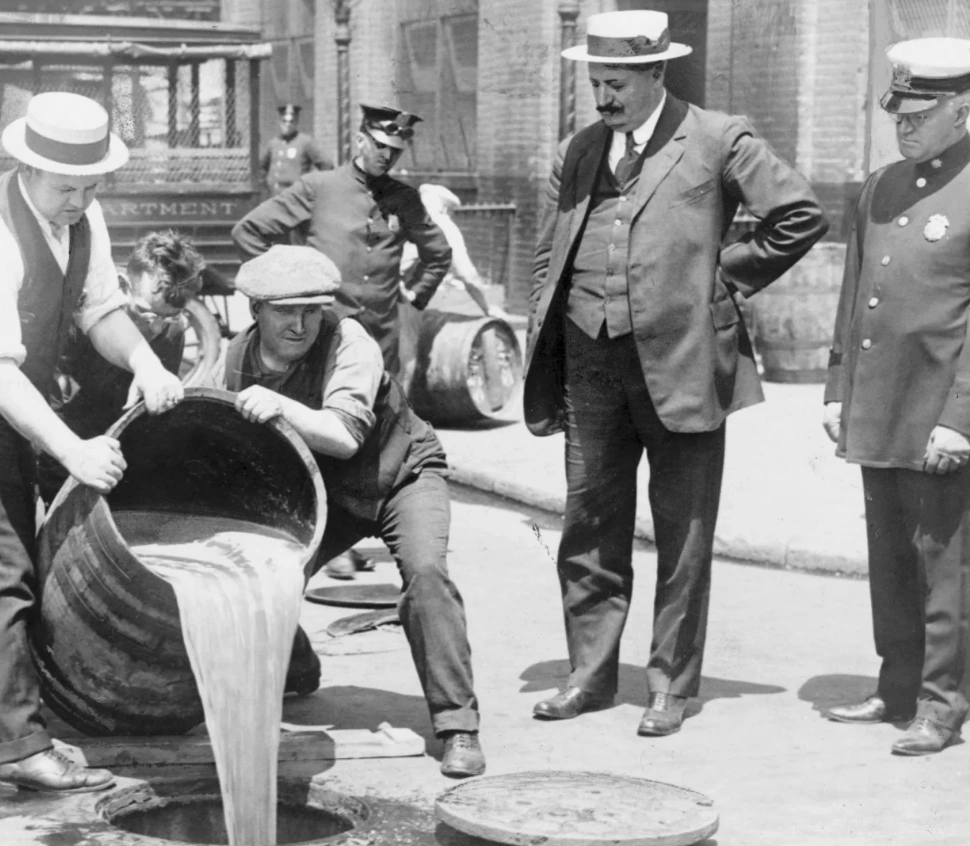
01When America Went Dry
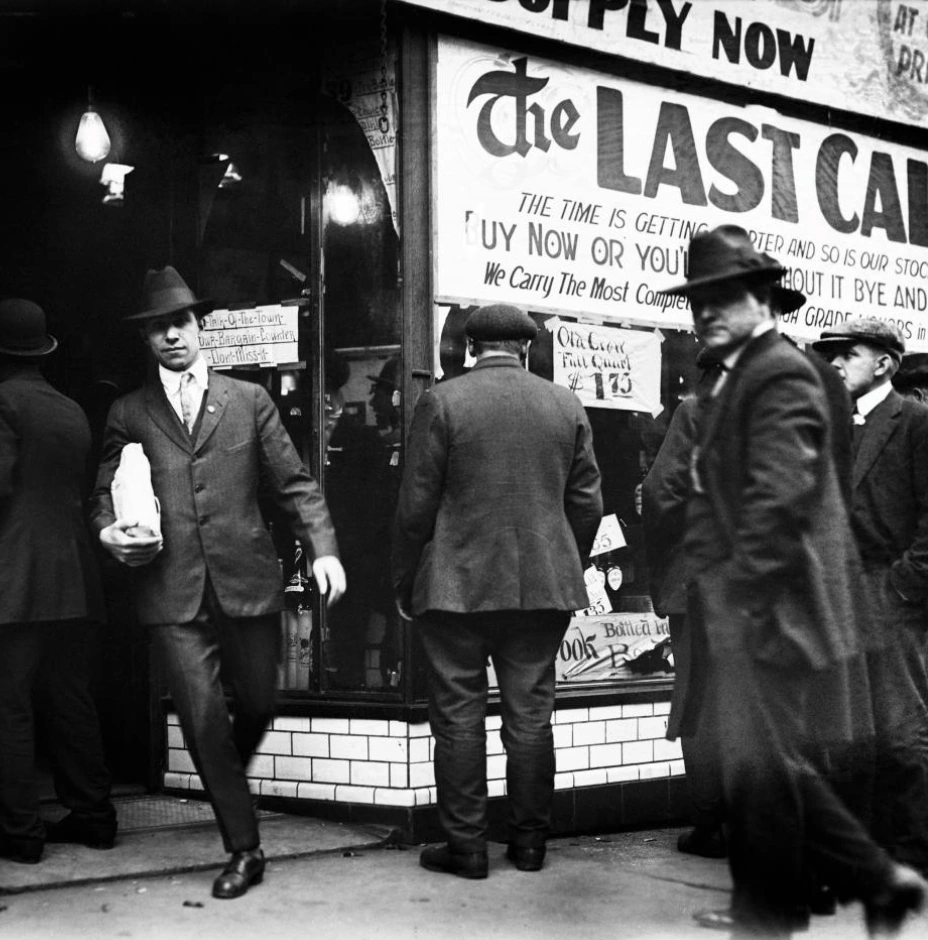
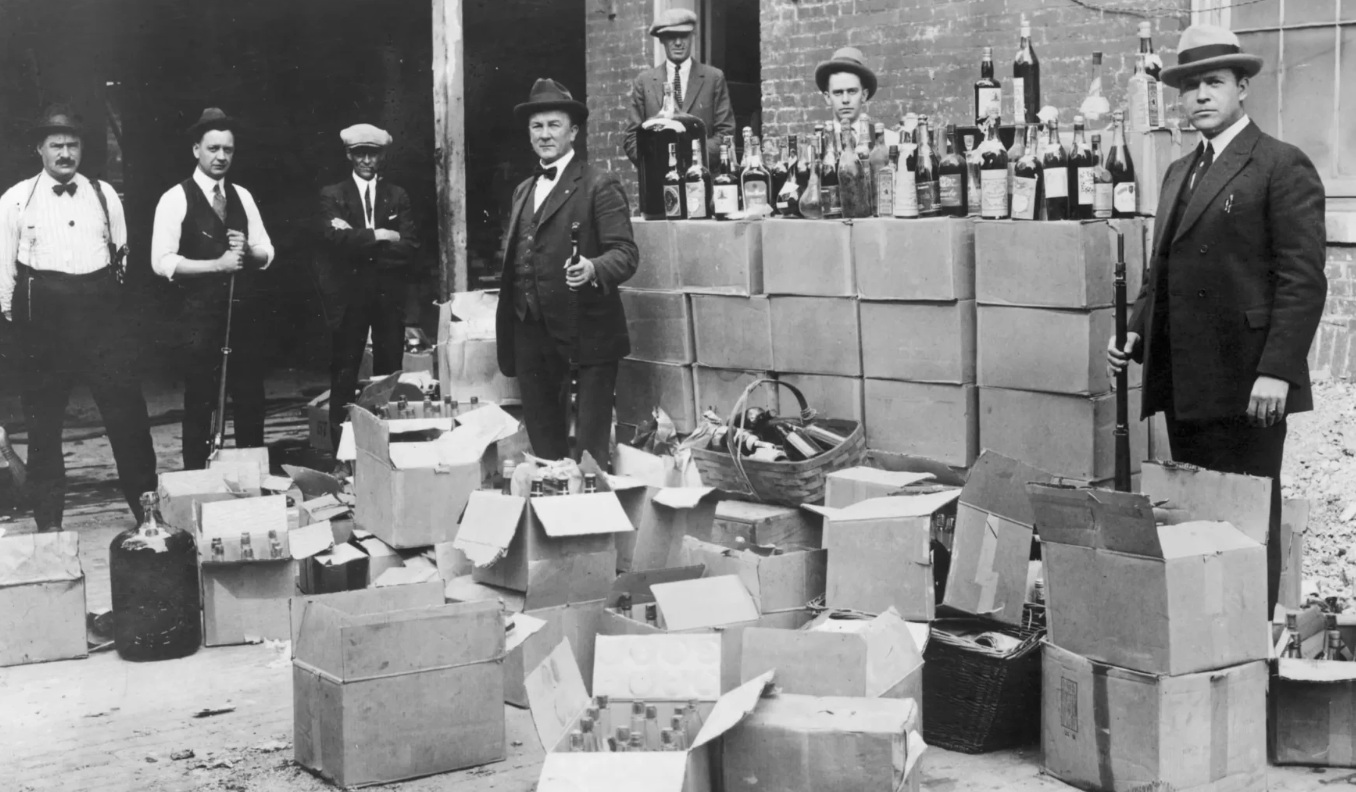
On January 17, 1920, national Prohibition took effect, banning the manufacture, sale and transportation of alcoholic beverages. Legal bars closed, but America’s appetite for a good evening remained. Drinking moved underground, and a new kind of nightlife took shape.
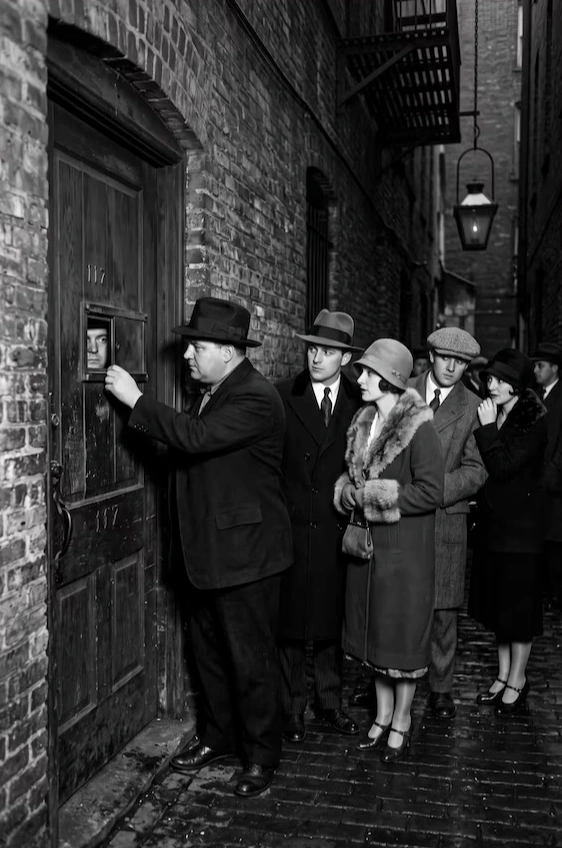
02The Rise of the Speakeasy
A speakeasy was an illegal bar serving alcohol during Prohibition. Tucked into back rooms, basements and unmarked storefronts, these gathering places offered drinks, music and good company. Some required a password. Others simply required knowing where to go. The hidden entrance became part of the adventure.
03Bootleggers & Underground Empires
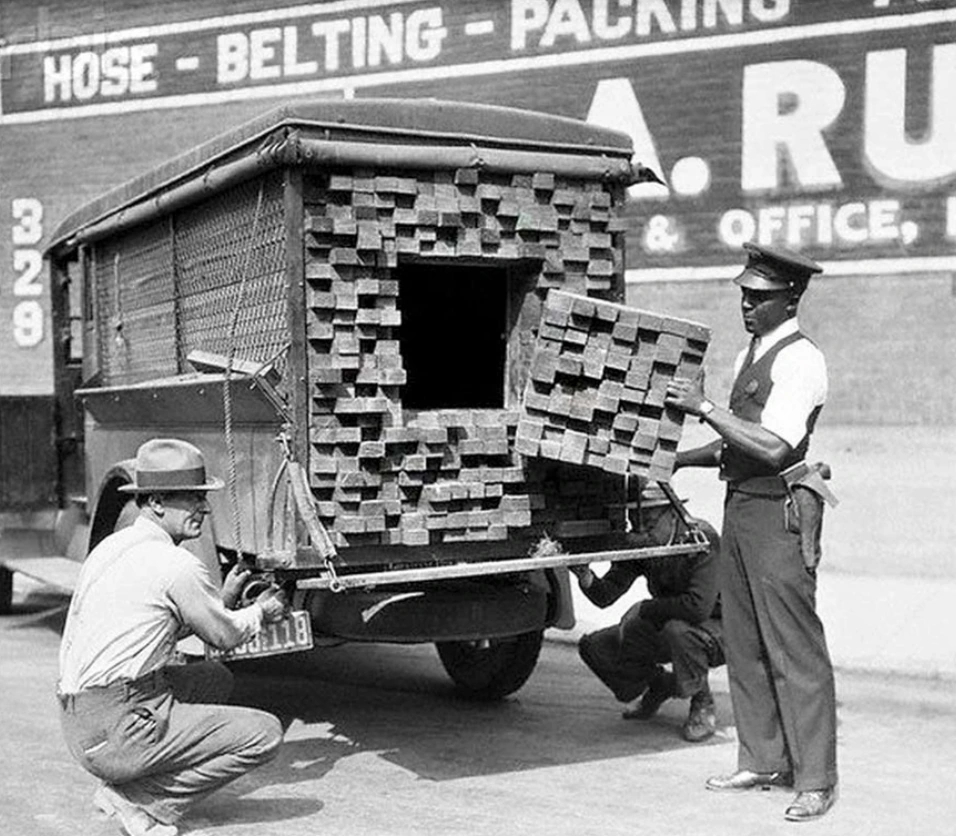
Bootleggers kept America’s hidden bars supplied with illegal liquor. In Chicago, Al Capone built an empire around its production and distribution. In New York, Lucky Luciano made a fortune in bootlegging, helping fuel the underground nightlife that defined the era.
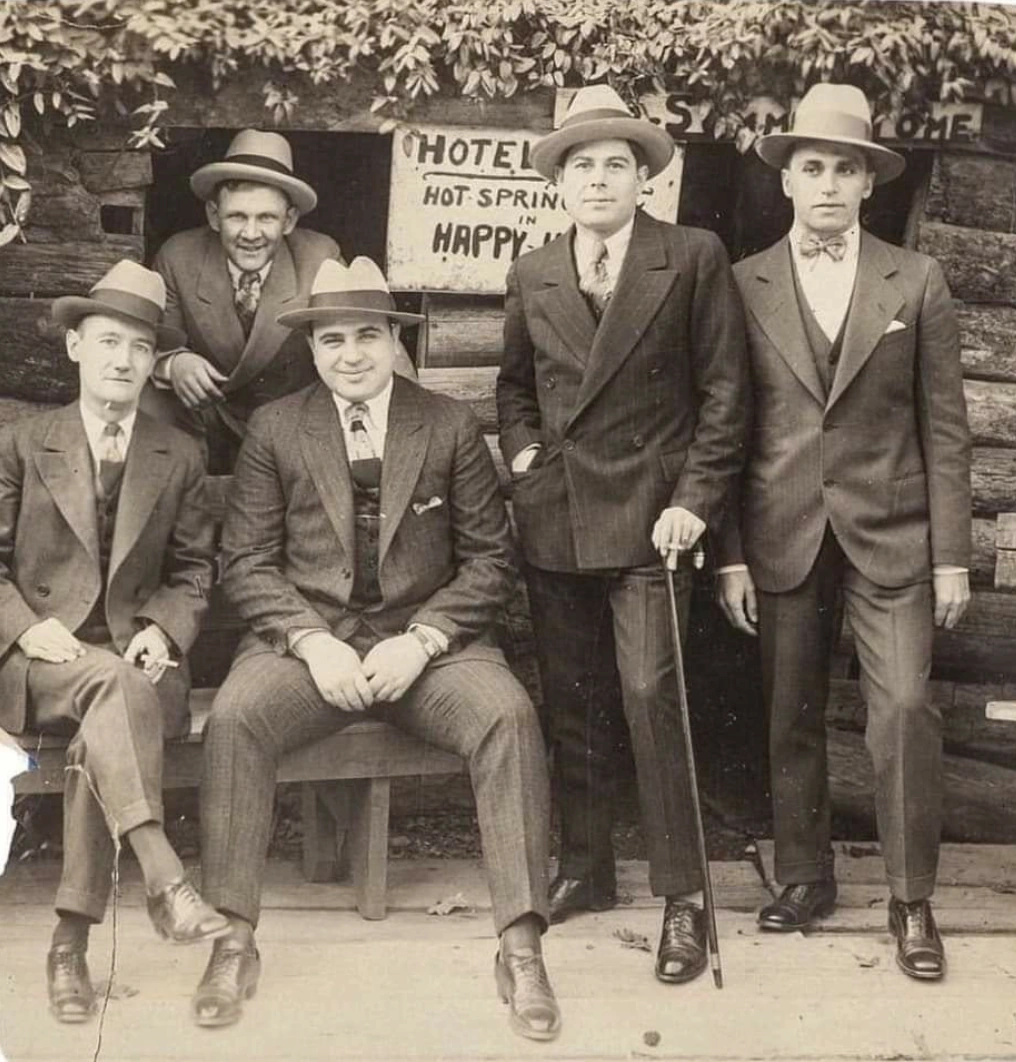
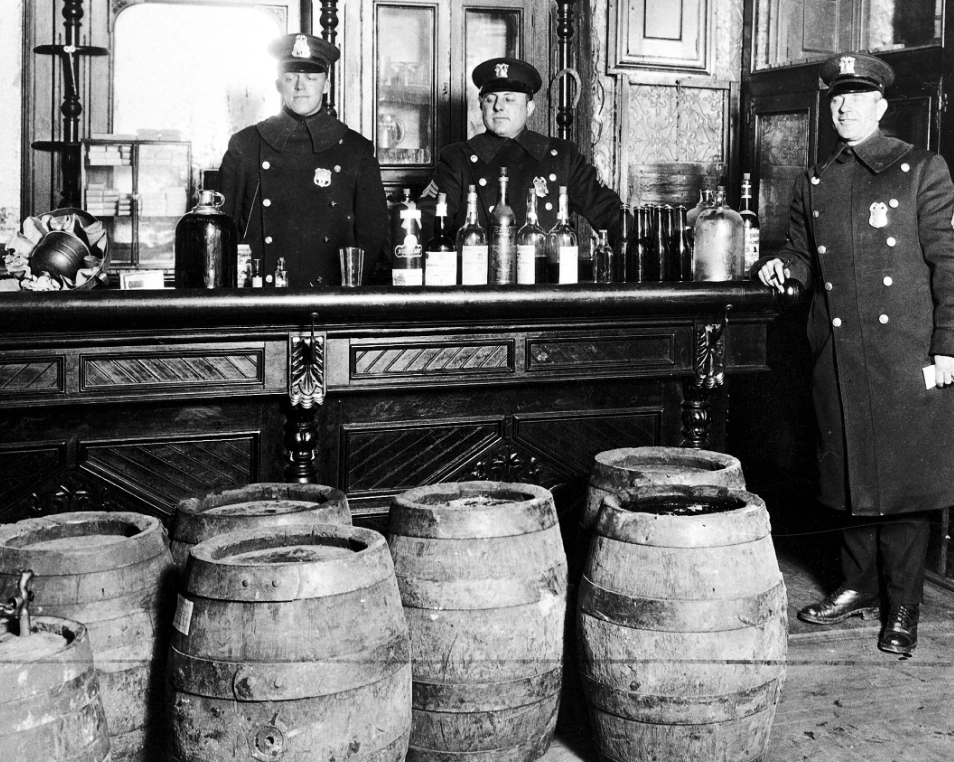
04Where Cultures Met
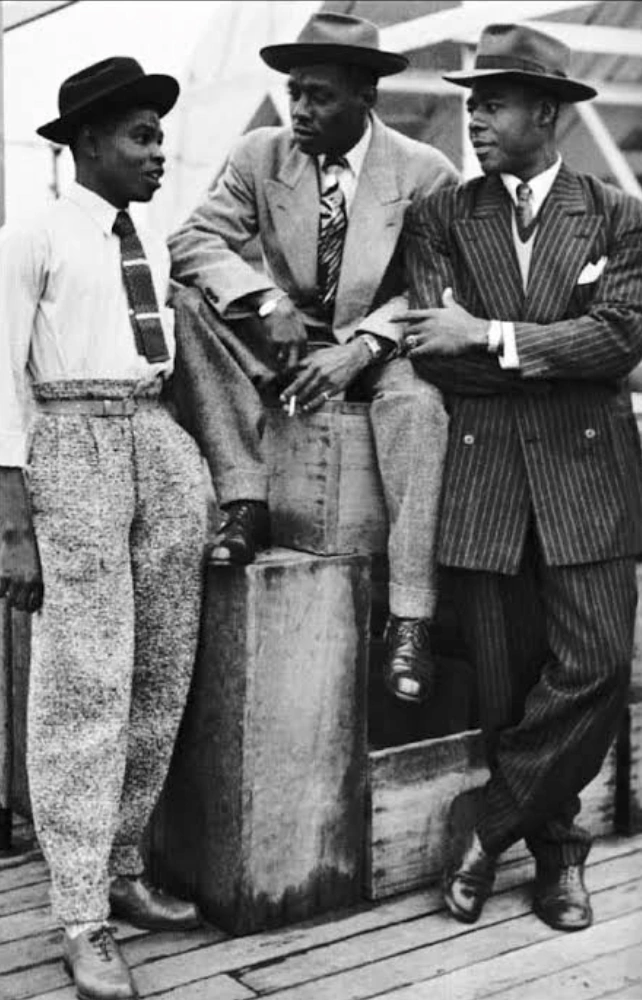
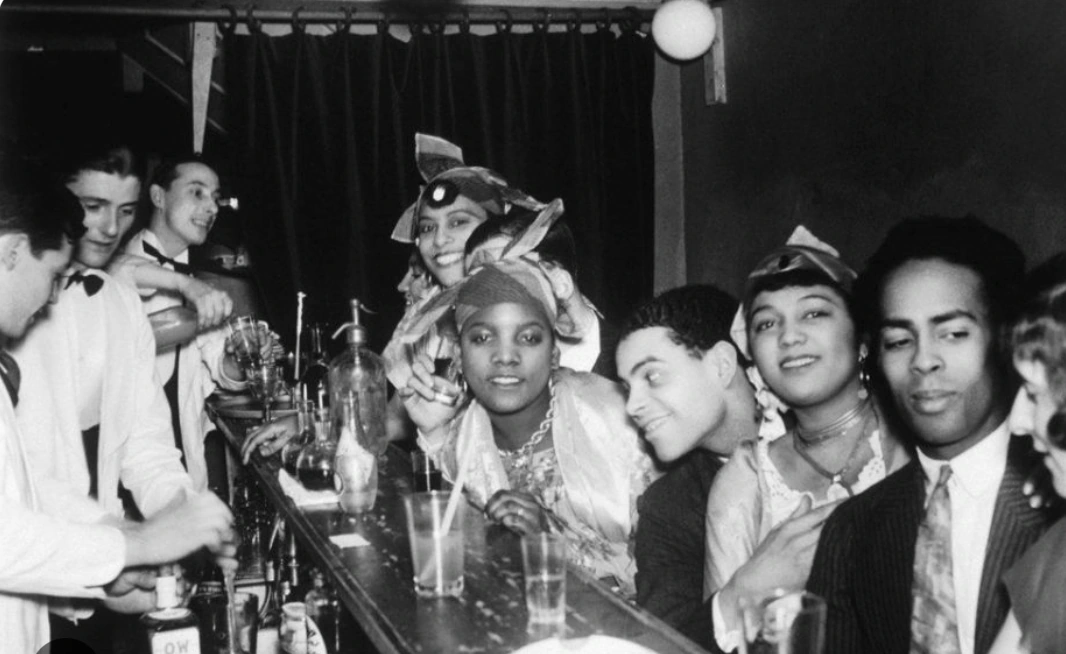
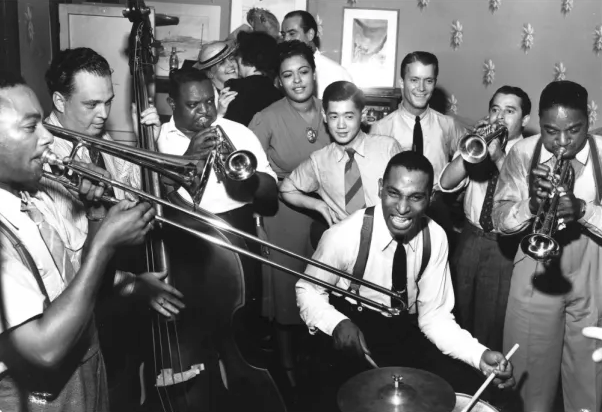
Some speakeasies challenged more than liquor laws. They offered rare opportunities for Black and white guests to drink, converse and dance together. Shared tables and dance floors became places for cultural exchange, where music and good company helped people connect across the boundaries of everyday life.
05The Jazz Age
Jazz gave the era its soundtrack. Pioneered by Black musicians, it flourished in the clubs and gathering places of the 1920s. Artists such as Louis Armstrong and Duke Ellington helped bring its energy to new audiences, turning a night out into an experience filled with rhythm, dancing and discovery.
06Whiskey, by Prescription
During Prohibition, doctors could legally prescribe medicinal whiskey, and permitted pharmacists could dispense it. For Stephen’s grandfather, Bill Boortz, that pharmacy connection was part of his working life. Today, our Prescriptions cocktail menu and The Pharmacy spirits menu offer a spirited nod to that history.
07A Toast to Repeal
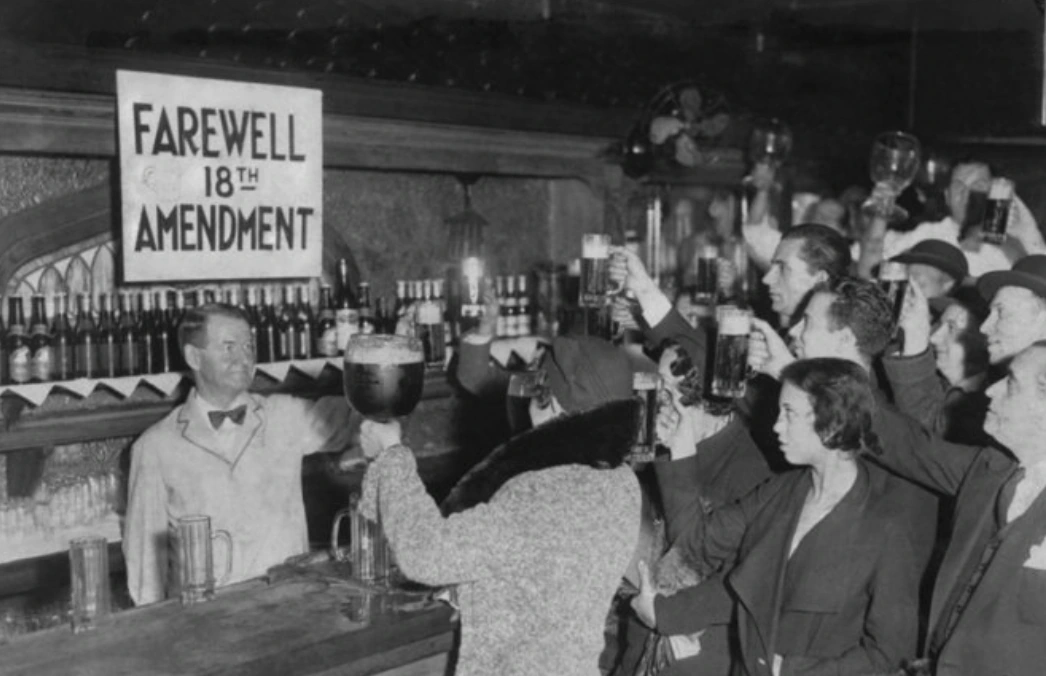
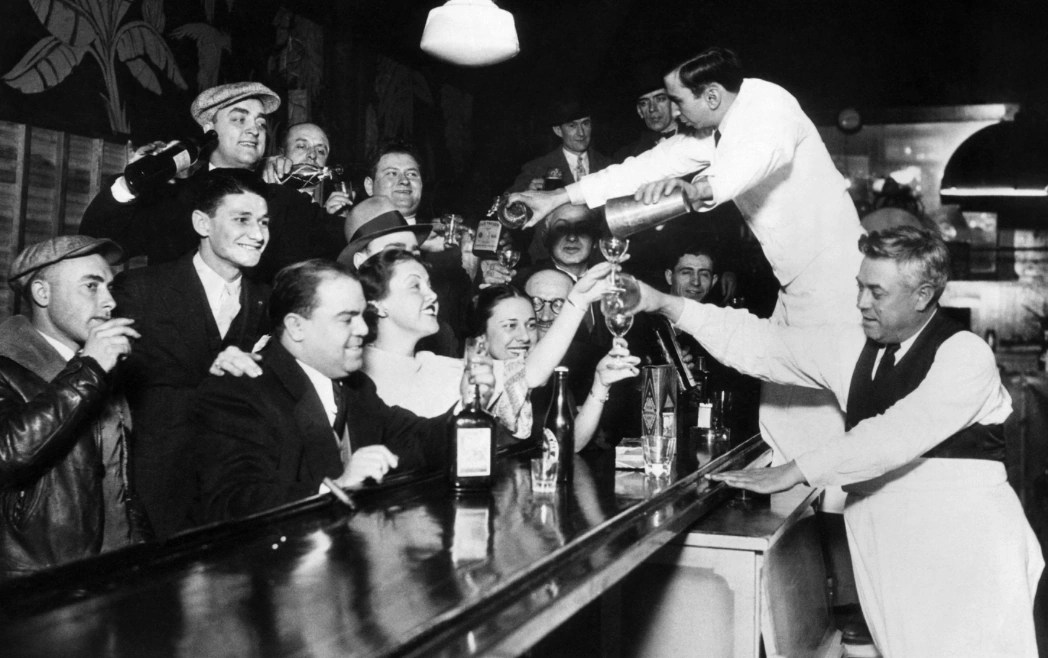
On December 5, 1933, the Twenty-first Amendment ended national Prohibition. Drinks could return to legal bars, but the appeal of the speakeasy endured: the hidden entrance, the lively atmosphere and the pleasure of an evening shared.
At Red Phone Booth, that spirit lives on.
The Story Continues
Some Doors Lead Back. Ours Welcomes You In.
The book at the heart of our story was published in 1941, after national Prohibition had ended. Its pages became a bridge between generations: from Bill’s appreciation for fine spirits to Stephen’s dedication to classic cocktails and personal hospitality.
Today, Red Phone Booth brings that inheritance into the present.
The anticipation of a hidden entrance. The care behind a well-made drink. The welcome that lets you settle in, and the company that makes you stay a little longer.
A grandfather’s lesson lives on in every thoughtful detail.
Step through the booth. Become part of the story.